
page-header

What Is Ayurveda?

What Is Ayurveda?
Understanding the Science of Life

When we think about good health, we often think about eating well, exercising and taking care of our bodies. But Ayurveda looks at wellness from a broader perspective. It considers how our food, daily habits, environment, digestion and mental well-being work together.

Ayurveda is an ancient system of traditional medicine that originated in the Indian subcontinent thousands of years ago. The word comes from two Sanskrit words:

  • Ayur, meaning life,
  • Veda, meaning knowledge or science.

Together, Ayurveda is commonly translated as the “Science of Life“.

Rather than looking at the body as a collection of separate parts, Ayurveda considers the individual as a whole.
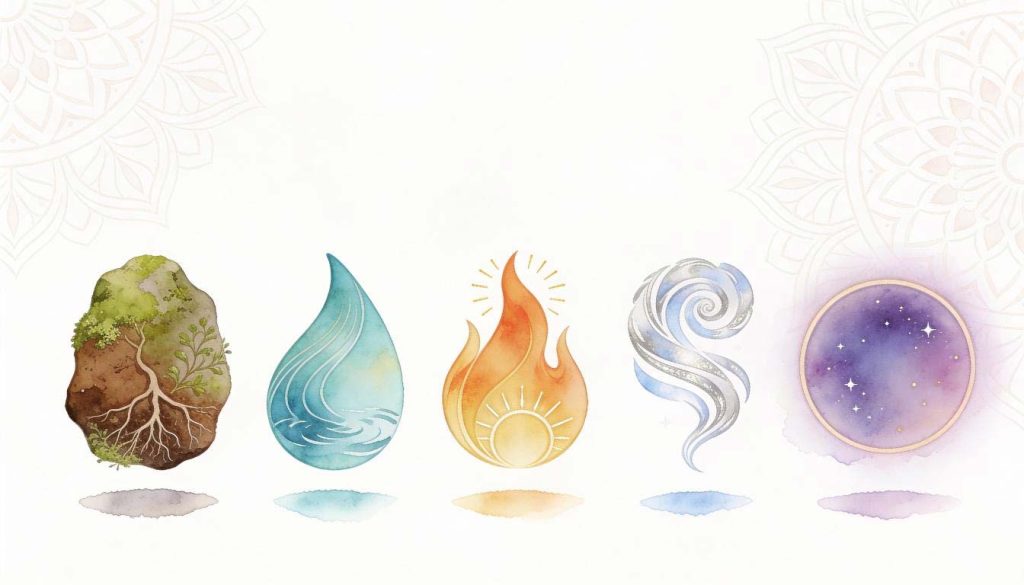
The Five Elements of Nature

One of the fundamental ideas in Ayurveda is that everything in nature, including the human body, is understood through five basic elements. These are known as Pancha Mahabhuta.

They are:

  • Prithvi (පෘථිවි) – Earth
  • Jala (ජල) – Water
  • Agni (අග්නි) – Fire
  • Vayu (වායු) – Air
  • Akasha (ආකාශ) – Space or Ether

These elements represent different qualities and functions. For example, space represents openness, air represents movement, fire represents transformation, water represents fluidity, and earth represents stability.

Ayurveda uses this concept to explain how the natural world and the human body are interconnected.

Understanding Balance in Everyday Life

A central idea in Ayurveda is balance. Our bodies respond to many influences, including the food we eat, our sleeping patterns, physical activity, stress and changes in the environment.

Ayurveda traditionally considers these factors when understanding an individual’s health and well-being.

For example, eating at regular times, choosing suitable foods, maintaining a consistent sleep routine and staying physically active are all consistent with the traditional emphasis on a balanced lifestyle.


More Than Just Herbal Medicine

Ayurveda is often associated with herbal preparations, but its principles go beyond the use of plants.
It includes several aspects of traditional healthcare:

  • Ahara (ආහාර) – Food and nutrition
  • Vihara (විහාර) – Daily habits and lifestyle
  • Aushadha (ඖෂධ) – Medicines and herbal preparations
  • Dinacharya (දිනචර්යා) – Daily routines
  • Ritucharya (ඍතුචර්යා) – Seasonal routines

Together, these concepts form part of a broader approach to maintaining health.

Sri Lanka also has a long-standing tradition of Ayurveda, with generations of knowledge surrounding medicinal plants, herbal preparations and traditional practices.

Rediscovering the Wisdom of Nature

Ayurveda encourages us to pay attention to our bodies and make thoughtful choices about how we live.

Its traditional knowledge continues to interest people around the world, particularly those exploring natural ingredients, traditional herbal preparations and holistic approaches to well-being.

At Nature’s Roots, we believe understanding the ingredients and traditions behind herbal products is an important part of appreciating their value.

Nature’s Roots – Rediscovering the Wisdom of Ayurveda.

An educational introduction to traditional Ayurvedic concepts. Ayurveda is a traditional healthcare system; its principles should not be taken as a substitute for appropriate medical assessment or evidence-based treatment.

Back to top of page